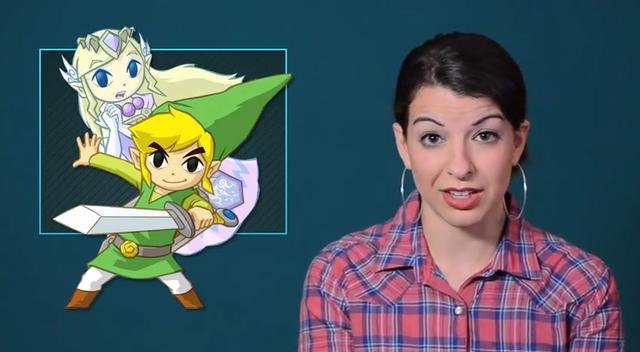
By: Jamaal Ryan

Let’s take a looking at a week in gaming from 8/5/13 to 8/9/13

AAA “Stifling” Creativity (8/5)

It’s been an increasing concern this generation when it comes to creative freedom in AAA development under big budget studios. From franchises with several and even annual installments, to dissolving of middle grade developers and publishers, to the rise of the indie scene and alternate avenues of funding such as Kickstarter and Indie Gogo. This weak, Ubisoft Toronto Jade Raymond expressed her concerns on how big budget costs could “stifle innovation” in game development.

Her point is simple, as the cost of development rises and with the expected significant increase this upcoming generation, publishers are becoming more and more rigid in which games they’re willing to invest in. Raymond notes a few examples from her company as exceptions, being Watch Dogs and The Division, two new IPs with a new –yet contemporary appealing – approach to their targeted genres.

She continues in suggesting alternate models that have become quite popular this generation, them being episodic content, free-to-play models, and micro transactions. But she suggests them with caution, stating the episodic format typically only works well with games such as The Walking Dead, and free-to-play as well as micro-transactions should avoid pay to win traps.

It’s both interesting and refreshing that an executive withholds this perspective from within a publisher that blatantly only invests in franchises as seen with annualized Assassin’s Creed games and the short lived IP ZombiU.

These three alternate models can be forecasted as seen more frequently in the next generation. Free-to-play has quickly become more popular, starting on the PC, making their way on current gen systems, and confirmed as being more present on next gen platforms. The current standardized format of DLC releases can give way to having episodic format more common place, and while micro-transactions have yet to find its footing on home consoles, publishers have taken risks such as EA with Dead Space 3.

The $50-60 package of bulky content is quickly becoming old fashioned with the accelerating indie scene and the monetary advantages of alternate models such as free-to-play. Moving forward from next year and beyond, we may see a drastic change in the way we consumer our games.
Source: Digital Spy
Since When Was The Last of Us Sexist? (8/7)


Skip reading if you haven’t beaten The Last of Us. Spoilers.

There are plenty of games that can be labeled as sexist. Look no further than the Tropes vs. Women in Video Games series I reported on last week. Misogyny, chauvinism, intended and unintended, video games is a growing medium with much work needed in these areas. But Naughty Dog’s masterpiece The Last of Us isn’t necessarily the last game you can accuse as being sexist, but it does a damn good job of respecting women to avoid that label.

Creative director Neil Druckman and the rest of his team did a damn good job casting actresses for the roles of Tess, Marlene, and of course, Ellie. Ellie played by Ashley Johnson spoke high praises about the role she took as a strong female lead character as a gamer herself. The team also fought to keep women in focus testing to ensure that the game appealed to female gamers as well. So when Druckman and game director Bruce Starley heard the accusations of sexism thrown towards it, you bet they were quite surprised.  

Despite being a huge fan of The Last of Us, calling it “the best game I’ve ever played” I can see a few points critics have made. Tommy’s wife could have been more than capable in defending their camp, especially as the leader managing it instead of hiding and leaving it to the men; Marlene could have put up a bit of a fight before Joel gunned her down.

But after reading a feminist point of view, it appears that naysayers are critical of superficial elements such as Joel being a male lead, his daughter Sarah incapable of defending herself, and two of the strong female characters dying throughout the game. Their preferences almost defeat the theme of the overall game and criticize the story for what it is, demanding an overwhelming female representation. There’s nothing wrong with female dominant cast, but there’s also absolutely nothing wrong with the way The Last of Us exists in and of itself either.

Tess, though later dies in the game, is a fearless and very dominant character. She dies in a guns-a-blazing fashion, something hardly seen from women in any medium. And Ellie was arguably the star of The Last of Us, easily the center of the game’s highest gameplay and narrative moments. Sure Ellie needed to be looked after by Joel, but Ellie’s a fourteen your old child, and Joel is her father figure.

Criticizing games’ gender, race, and cultural representation is a healthy practice needed within the industry. It challenges developers approach with social sensitivity and allows them to engage gamers on an identifiable level. But targeting specific games while failing to recognize its thematic achievements does nothing for the industry and devolves into little more than white noise. 
Source: GamesBeat
Nintendo Games Will Stay On Nintendo Platforms (8/8)


With struggling systems sales and a starving library of games, one time or another many of us had the thought, “Maybe Nintendo should just become a third party so that everyone can play their amazing games.

Nintendo CEO Satoru Iwata has heard your thoughts loud and clear, “If I was to take responsibility for the company for just the next one or two years, and if I was not concerned about the long-term future of Nintendo at all, it might make sense for us to provide our important franchises for other platforms, and then we might be able to gain some short-term profit.”

But given Nintendo has a strong and unique philosophy as a producer of software and hardware, he kills this idea, “I'm really responsible for the long-term future of Nintendo as well, so I would never think about providing our precious resources for other platforms at all.“

Nintendo has gone from the leader of the video game industry to the embodiment of the unconventional. Nintendo ignores what the industry expects. When Sony and Microsoft are building entertainment hub spaces on top of online infrastructures, Nintendo responds with Miiverse. As Sony refines the Dual-Shock controller and Microsoft is upgrading the Kinect camera, Nintendo is searching for new ways to use its tablet controller. The Xbox and Playstation brand presses fourth to the center of your living room, Nintendo’s consoles are alternate games machines built for Nintendo’s game ideas.

No one can deny Nintendo’s glaring misfires, the grossly underpowered hardware, their failure for reigning in third party support. But for Nintendo to give up their creative freedom to develop strictly software for other home consoles is almost nightmarish. For every Call of Duty Watch Dogs, and Destiny, we need Pikmin, Super Smash Bros., and Super Marios. Nintendo might empty space where other games on their home console should be, but there’s always room for Nintendo to operate at their fullest in our gaming lives.  
Source: CVG
VIA: PolygonKotaku
Gamestop Still Getting Sued for Online Passes (8/9)


We’re all too familiar with pesky online passes. We go out of our way to pick up new copies of games instead of used ones, and get fed up with having to punch in those codes slipped on the inside of the CD case.

We have become fluent in the language of online passes, but it turns out that there have still been some that Gamestop took advantage of. Earlier this week, a federal judge in New Jersey has authorized the right for three consumers to file a class action lawsuit against Gamestop.

All three plaintiffs bought EA titles, Need for Speed Hot Pursuit, Madden and FIFA 2010. All three were failed to be notified that their used copies didn’t allow access to online content without the extra fee of $10-15 which ultimately set the price of each game over their standard MSRP. This is yet another lawsuit after Gamestop was successfully sued on California for the same failure to notice.

Gamestop has notoriously taken sometimes unethical strides to push the sales of their used games. Anyone who’s shopped at Gamestop knows exactly what I’m referring to. Empower yourself as a consumer, and make the best purchase decisions that best benefit you, though I encourage gamers to support their developers and publishers. 

VIA: Polygon 
A Week in Gaming Special Feature:
Who's Responsible for Video Game Addiction?
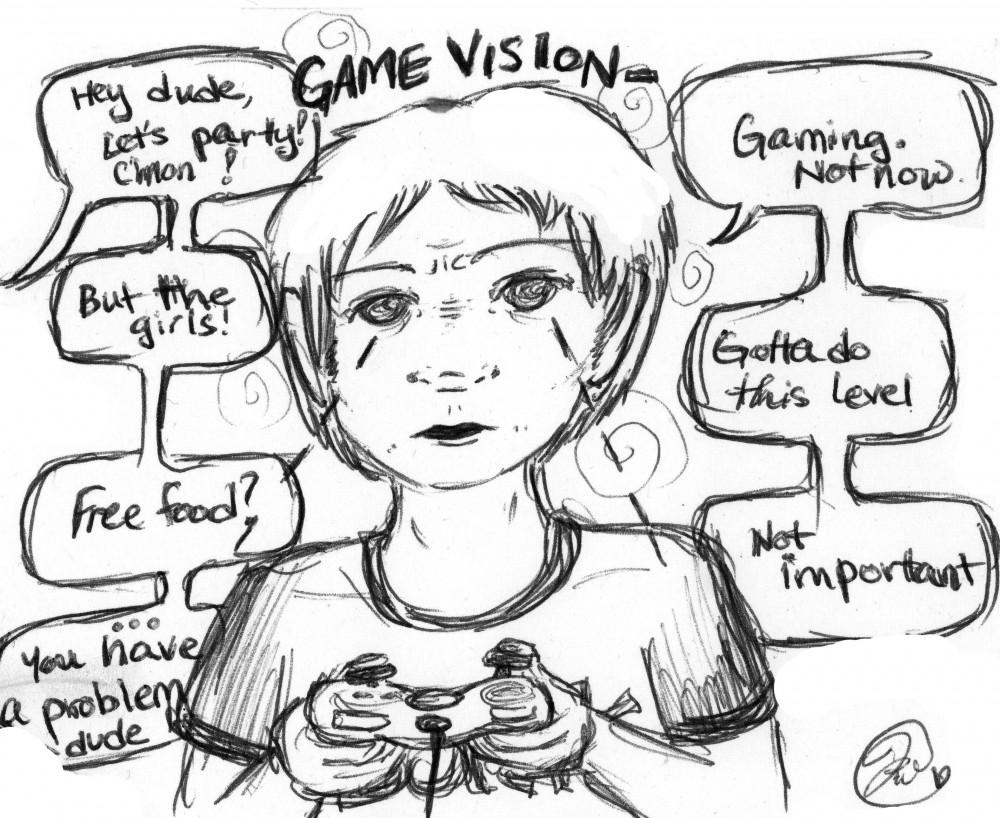

The idea of personal responsibility is very divisive. Gun advocates abide by this principle – along with self-defense and the right to bear arms – while countless deaths occur every year due to gun violence, even as late as this past week. In the medical and mental health field, we emphasize to patients and clients to take personal responsibility for their medication, monitoring side effects and making a point to notify prescribers if they have an addiction history while state and federal laws monitor individuals purchasing of amphetamines and opiates. Gambling addiction is recognized to many as an illness, which can cause an immeasurable amount of damage from property loss to suicide, yet states capitalize on their huge amounts of cash revenue.


Arguing personal responsibility doesn’t always work. And with that, we can talk about video games.
We swear by this a lot as proclaimed game advocates. Mature games cause violent behavior in impressionable children. To that we say, “Where are the parents who should be taking full responsibility to what their own children consume?” We can just as easily say that in response to instances where long sessions of gaming lead to child neglect or even death.
Though this hasn’t reached western federal minds yet, researchers from U.K. universities in Cardiff, Derby, and Nottingham warn that if game companies don’t take measures to make their games -- specifically MMOs -- less addictive, that Western governments might looking to inflict limits similar to those seen in Asia.
Dire predictions on Western fates from a European perspective typically would be something to sneeze at, but with Joe Biden’s statements that there would be “no legal reason” why taxing video games would be an issue, and constant attacks from political officials on video games, such fates aren’t too farfetched.

So where does personal responsibility play here?
Well, it’s easy for us to simply say that gamers should take responsibility and monitor their game time to a healthy degree. And in the grand scheme of things, that would be most appropriate. Video game addiction hasn’t (yet) been recognized as a diagnosed addiction, and there are no reports of an epidemic of gaming addiction. We cannot, however, ignore the effects of addictive behavior enabled by video games.
Gamers who have an addictive relationship to video games need help. We don’t see federal involvement in making merchandise less attractive for kleptomaniacs, so why should we make games less fun for gamers? As the one who succumbs to these impulses, they lose their ability to practice personal responsibility. Instead the responsibility relies on their family and or anyone else in their immediate support system. Counseling services coaching warning signs, coping skills, and alternative activities (in addition to, not replacing) for gaming to both the person and their support members would help wean these individuals off their addiction.
Government shouldn’t intrude on video game development. It’s a violation of constitutional rights in more ways than any game regulation proposed. But this doesn’t mean that we should ignore the warning signs of video game addiction. A clinician once told me, an addiction involves persistent behavior that an individual engages in at the risk of abandoning physical and social needs. If we see someone that might be succumbing to video game addiction, it then becomes our responsibility to help.
Source: BBC


Reviewed By: Jamaal Ryan
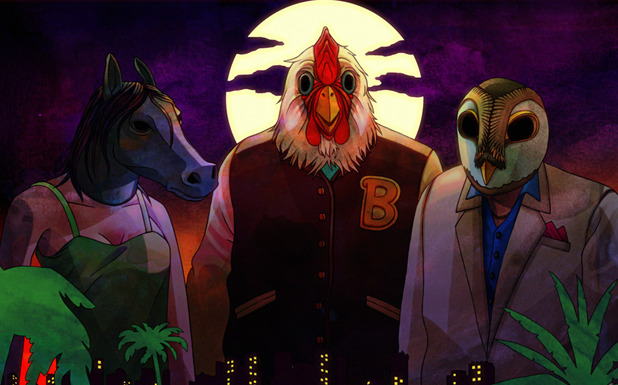
Few games have left me in various states of synesthesia like Hotline Miami. The hypnotic tempo of the electronic soundtrack zoned me in, sometimes pied-pipering me into a complete disregard for my life. Other times, I was completely lifted with euphoria in such a way that few arcade games can after I wiped out an entire floor of enemies within seconds. Hotline Miami loosely simulates homicidal psychosis, having you giggle creepily along the way.
The golden age visual overlay of this top-down twin stick brawler rechristens your appreciation for 16 bit style simply because of what the developer has been able to accomplish with it. Simply put, Hotline Miami is the most disturbingly colorful and violent game I've ever seen, standing as the epitome of art direction over realism.
Pretty...
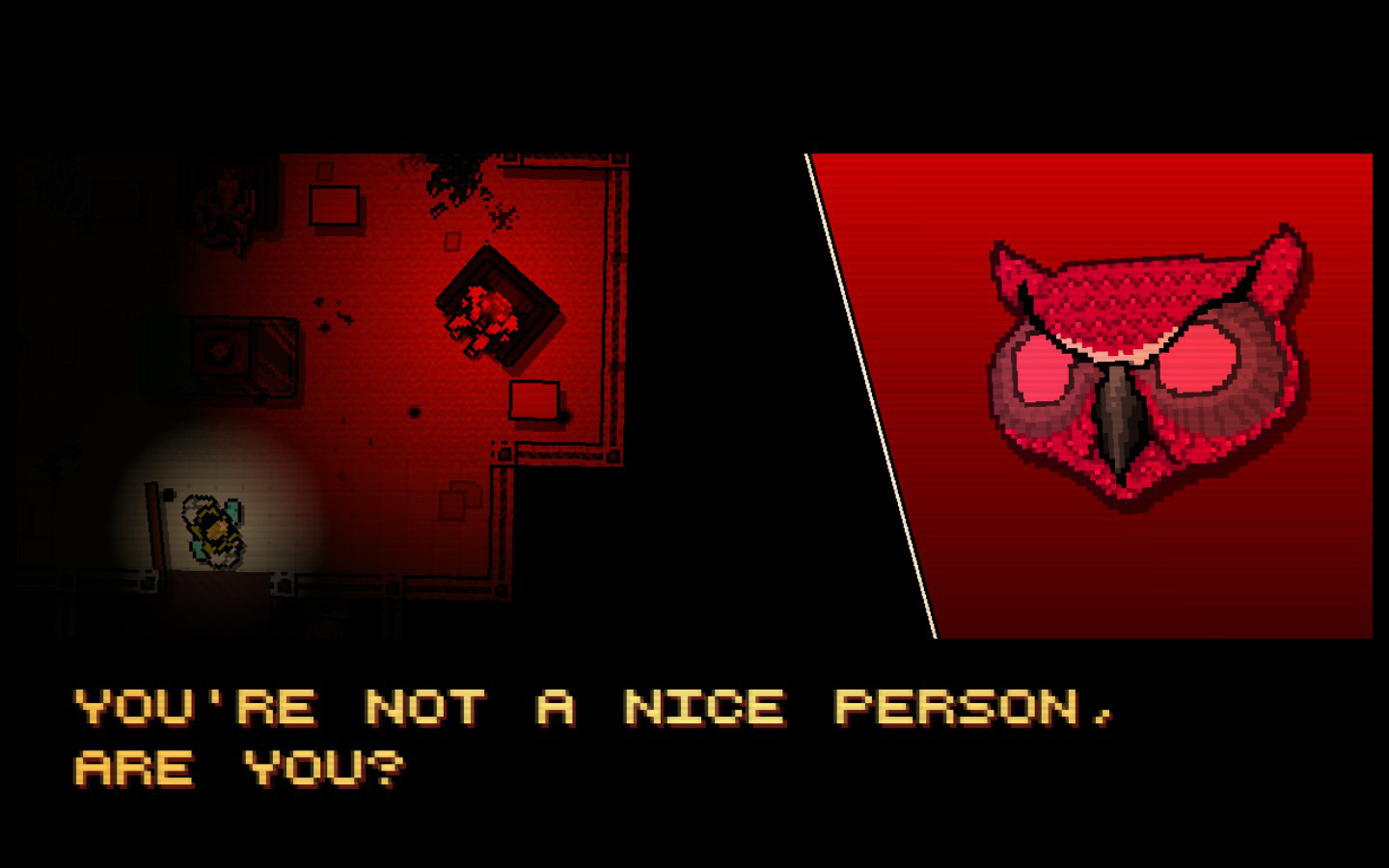
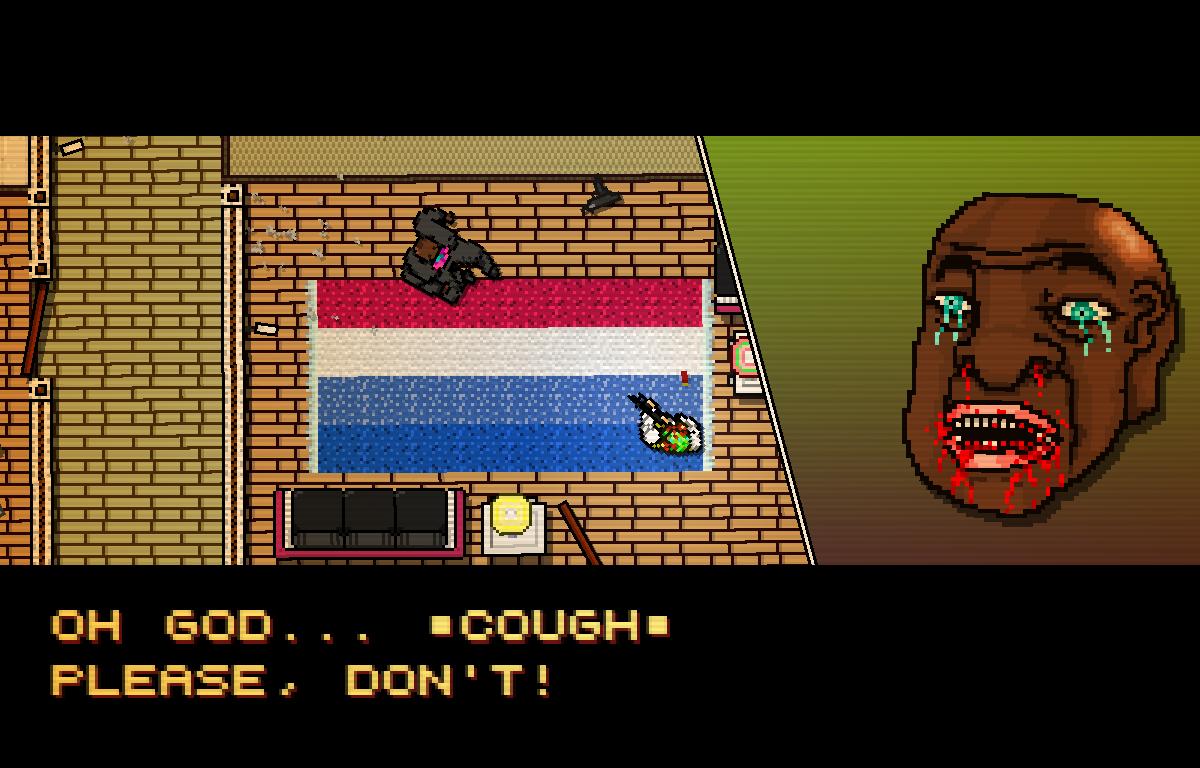
Heads burst open like watermelons soaking the floor with brain matter, pink entrails spill out leaving gaping torsos and horrifying expressions, jets of blood shoot out of faces and jugulars redecorating hallways and colorful rooms. It’s even more disturbing watching these isometric sprites grab their cut throats and kick hopelessly, or crawl away after suffering a fatal head injury. The results of your brutal inflictions, and your very own demise, depict enough for you to register what has happened, but leave enough for you to fill in with your imagination, making the violence that much more shockingly brilliant.
This obfuscating grime tale as a contracted serial killer is an ideal cesspool of conveying the various states of confusion and insanity the masked murderer goes through. While you may be able to read the text on screen from chatty pixelated faces, the context is so foreign it’s almost as if they’re speaking another language. Some ignore the horrible deaths that befall various victims, others mock your deliberate lack of understanding. It’s almost worth revisiting just to formulate your own theory of the events that take place, but it absolutely deserves multiple playthroughs just to kill countless bald headed, white blazer wearing men again.
Apparently not.
You can lose an undocumented amount of time between seeing how far you can go with no strategic planning whatsoever, and patiently observing enemies' patrol patterns until they align with your mental death constellation. Most games frustrate when that constellation is broken by an unaccounted variable, but the startling pop out of any assortment of fire arms, or a thwack or shank of a tire iron or cooking knife elicits a near comical reaction. With a fast pace, swift deaths and instant reloads, you'll engage, then die, engage then die over and over again.
And you’ll do so by caving faces into mush, spilling out guts with knives and fire arms, and painting the walls and floors with blood with either a careless gallivant or military precision. Once you get it right under the hazy beats, it’s electrifying.
Your objectives may be straight forward: receive job via answering machine, enter you vehicle to the designated location, slip on you mask at the door, and slaughter. But how you'll approach each job will vary playthrough to playthrough.
Nothing personal.
Masks grant special perks from elongated lines of sight, to auto equipped knives, to turning any throw-able object and even doors into environmental fatal weapons. You mostly begin each game unarmed, having to then gather guns or melee weapons from your fallen foes. In one session, you can gun down enemies with the limited ammo in your fire arms which then attracts the attention of near-by AI, or immediately after a game starts, slit a guy's throat from behind and kick open a door as a poor sap passes by, killing him instantly and then repeat covert assassinations till everyone’s dead.
It's easy to set challenges for yourself to complete levels while experimenting with mechanics. But the results are always the same. Every game ends with having you backtrack down the stairs to the entrance you invited yourself through; and each time as you pass your homicidal trail of mutilated corpses and blood stained floors, you’ll want to say to yourself, "Fuck yes, I did that.”
(Repeat quote here.)
The Bottom Line
And you’ll want to do it again, and again, and again. Hotline Miami is an extraordinarily addictive action game. Its provocative 16 bit visuals and psychedelic/electronica soundtrack are agents to this dependency wanting to make an absolute mess of soon to be disfigured bodies. Regardless of the fact that Hotline Miami exists on the PC, this isometric slaughter hyper simulator can't not be on your Playstation Vita.
+ Disgustingly gorgeous 16 bit visuals
+ Sound system worth soundtrack
+ Rapid twitch paced gameplay
+ Excellent replay value
SCORE: A+

MECHWARRIOR ONLINE (BETA REVIEW)

No comments

Monday, August 5, 2013


I'll start off by saying that Mechwarrior is one of my all time favorite franchises. Mechwarrior 2: Mercenaries is easily in my top five games of all time. So this review is coming from a true fan of the series. I hold this game franchise as the pinnacle of Mech based gaming. So the opinions ahead can be taken with a grain of salt. I can admit that but praise is earned on this site so strap up and prepare for a ride in this reviewers Mech of opinion.


My love for controlling a huge heaps of armored machines was further enforced by the purchase of my first car. A overheating piece of shit Ford Tempo purchased for $600. My few months with the car reminded me of piloting a Mech in the Mechwarrior Universe. I had to manage my heat every time I decided to take her out for a roll.  For most people it would be stressful but for me every single time I arrived at a destination without overheating was a successful mission. So now as I pilot the iconic Atlas I get the same trills.


“DECLINE IN THE FAITH OF THE DEVELOPER”


I wanted to get this review out before the changes come from the games official release of September 17, 2013. Mainly to address the decline of faith in the developer PGI in delivering the product the community wants. The Mechwarrior community loves the game but they love to complain about the game just as much. Not in the pissy whining you get from “kids” complaining about no “dino-mode” or overpowered weapons they cannot counter More so you are getting season veterans that have played for decades pointing out the fundamental flaws of the latest metagame (damn ppc snipers was so two patches ago).


If PGI was listening closely to the top-tier players they would learn a lot about their game. They may be great at programming MWO but there people out there that understand the gameplay much better than them. I have the feeling PGI is in house testing the newest tweaks of the gameplay this is what is fucking up the balance. They really need to outsource testing to small top-tier players as focus groups. With the intent to better understand weapons and builds in a gameplay setting.


My personal loss of faith in PGI comes from the upcoming addition of 3rd person cameras. This game was never struggling because of the point of view. Any person complaining of POV is a fucking noob sorry but its true. The fact that PGI took time away from coding so many other aspects of the game to work on 3rd person mode is only one of many bad decisions I think they have made.


THE EVER CHANGING BATTLEFIELD


It seems like every introduction of a new battlemech to the game further disrupts the previous balance of the game. With the addition of the Raven and Ecm came the downfall of lights successfully fulfilling their role of scouts. With the Highlander taking the field we encountered a jump sniping metagame that was the only viable option for months. Nothing wrong with the game evolving but there seems to be a slight oversight when new mechs enter the ecosystem. The change they bring is then corrected in a way that hurts all other Mech builds and not necessarily the Mech that disrupted the ecosystem. The latest Alpha Strike penalties are what I would say was a bad call on PGI’s behalf.


I do not have all the answers but the strong leaders in the community do. PGI you have their info you need to seriously start contacting them and work out the issues of you game together. Where I can admit the community is wrong is the complaints of wanting a return on founders packages. Whoever wants a refund, you need to suck it up and either go along for the ride or eject from your cockpit permanently.


DO NOT BREAK THIS PROMISE


Here’s where PGI’s will either epically fail or go on to thrive. Community Warfare, this promise is going to make or break the community. Whatever you do PGI do not fuck up Community Warfare. If you cut any corners on this or if its just some shitty feature that is not better than what House marik did for their civil wars you will lose nearly all your customers past, present and future. So many users are not playing because they are waiting to hear the verdict on this aspect of the game. This feature can pull in countless new players if its the talk of the town. Please PGI do not fuck up this feature.


For the “BETA” I’ll say damn good. The tweaking they have done to the Cry-Engine impresses me a lot. Some really great lighting that even reacts in real time to the battlemech models. But I am a gameplay over stunning visuals. Here Mechwarrior does a great job of two. They support each other. However once we move out of beta and we receive the Direct X I will give the final verdict. As far as what I see now I like it a whole lot, and would approve of PGI’s efforts with the engine.  


They won me over once the startup sequence was added to the game. I am a sucker for that sexy robot voice. She gives me a comfort that all systems are nominal. Some of the latest patches sounds make you feel like the year is 3050 and shit just got real. Here is where I think PGI exceeded mine and most users expectations.

Bottomline: Download and enjoy this title, but make sure you join a faction so you get the best experience out of the game. Pugging it doesn't do this game justice. It relies heavily on teamwork.


By: Jamaal Ryan

Let’s take a looking at a week in gaming from 7/29/13 through 8/2/13

The Next Generation of Indie Games (7/29)


We’ve heard the rants from Phil Fish and the harsh criticisms from Jonathan Blow, Microsoft’s penetrating publishing attitude has turned away many indie developers. But since Microsoft’s second about-face, now allowing indie devs to self-publish on Xbox One and enabling each console to be their own dev kits, it is very clear that indie development is the new hotness this generation, allowing freshly untainted minds to deliver unique and potentially unconventional experiences.

The indie scene has been pioneered by PC for many years, with many avenues in which players can engage them, whether that may be a free download on the game’s website, or new community supported titles debuting on Steam Greenlight. However many gamers, such as myself, don’t have access to these titles out of avoidance of the PC as a platform.

Sony has already given many gamers the opportunity to enjoy some of these games, such as Hotline Miami, Thomas Was Alone, and Stealth Inc. But now with Microsoft entering the new era of indie game support, there’s no telling what will grace our consoles in the future.

Perhaps we’ll see games with a more with more intellectual subject matter; games like That Dragon, Cancer, which places you in lead designer Ryan Green’s shoes as he tries to comfort his six year old son who’s suffering from cancer, Papers, Please where you as an immigration inspector has to control the flow of individuals while accepting or denying their entrance to the city, and 9 Months In, a game about a pregnant woman 9 months pregnant in prison.


This next console generation is equally about impressive graphical fidelity, sound, the ability to topple sky scrapers and travel cross county in a player populated United States as it is about low budget driven niche ideas that introduce new ways to play and convey themes and storytelling. 

Source: Polygon

The Inception of Video Game Consoles (7/30)


When we think of the development of next gen hardware, the many of us are led us to believe that this is a process engineered in a closed environment where the publisher signs deals with hardware component manufactures and takes an occasional look at leaked information of their competitors system features. It’s a process that we’re generally ignorant to, typically relaying on pre-launch rumors and post launch executive interviews. 

In the book Dreamcast Worlds, author Zoya Streets gives us insight into the development of the Sega Dereamcast, offering perspective that grants us a better understanding on the forces behind these games entertainment centers.

Streets describes the factors behind console development as a network, stating that they consist of, “human developers, hardware components, development tools, games, corporations, competitors, consumers, the media, and more.”

In this very candid upcoming console generation, we can draw similarities from these factors to what has driven console development today: Sony’s outreach to developers asking what kind of system they would want to develop for, Nintendo’s philosophy on engineering their systems around particular game ideas, the consumer’s influence on Xbox One’s 180, and the messaging of these systems themselves targeting multiple demographics.

There are many questions with unsatisfying answers about today’s and tomorrow’s fast approaching hardware.  Why was Sony so dodgey about making announcements before and after Microsoft? Why didn’t Xbox One’s development start until 2010? And why does Nintendo continue to release hardware with last gen specs on next gen hardware?

Dreamcast Worlds may not have the explicit answers we’re looking for, but it might help us better understand the reasonings for these decisions.

Source: Kotaku

Wii U: The First Party Nintendo Machine (7/31)


Owning a Wii U as an additional console to any other current gen systems likely entails you to have one primary interaction with it, wiping off that thin layer of dust.

And if you only own a Wii U, then I’d ask you, what the hell are you doing?

This week, we were introduced to Batman Arkham Origins multiplayer mode, an interesting Splinter Cell influenced competitive mode to a franchise that one would least expect to see supported multiplayer from. But in addition to that announcement, we’ve also learned that outside of the 360, PS3, and PC versions, the Wii U build of Arkham Origins won’t support multiplayer.

For the platform, this doesn’t come as a surprise as we’ve seen features that existed in other multiplatform versions absent on Wii U. From Sniper Elite V2’s co-op mode to Black Ops 2’s missing DLC. Third party developers are have halted and pulled support from the system entirely. Ubisoft pushed the previously Wii U exclusive Rayman Legends to release alongside the 360 and PS3 versions, and the critically divisive launch title ZombiU will not have a sequel, a clear sign that Ubisoft meant business when they stated they will not take a chance on games that won’t support franchises.
 With numbers like 160,000 units sold globally in three months, we begin to better understand why EA previously stated that they have no games in development (until they said they did), and scratch our heads as to why Activision approved Call of Duty: Ghosts to be released on Wii U.

The business perspective is simple, Wii U sales are light and slow; investing in such a poorly performing console is not feasible.

As an owner of multiple systems, it’s nothing short of foolish to choose the Wii U version of third party titles over any other system, unless the developer explicitly highlighted exclusive perks. Splinter Cell: Blacklist, Watch Dogs, and Call of Duty: Ghosts will release on Wii U this year. But with the trend of lacking DLC and missing online features, there’s very little reason to have faith that the Wii U build will be better, or even comparable than versions on other platforms.

The games press has called the Wii the “Mario and Zelda” system, and for now, it looks like the Wii U will follow the same trend. I’m hanging on to my Wii U for Pikmin 3, The Wonderful 101, Donkey Kong Country: Tropical Freeze, and New Super Mario 3D World; but given that E3 has shown us that the industry has “next gen” development for the Xbox One and Playstation 4 in focus – on top of the lack of Wii U support we’ve seen even without these systems out yet -- for the better part of 2014, my Wii U will be my go to system for Smash Brothers, Mario Kart, and whatever other quality Nintendo published titles release next year. But that’s just about it; nothing more, nothing less.

Sources: IGNPolygonKotaku

Tropes vs. Women in Video Games Episode 3 (8/1)


Anita Sarkeesian’s series Tropes vs. Women in Video Games sociologically critiques the portrayal of women in video games, reviewing the empowering, the disempowering, and the down-right chauvinistic roles women fit in many of our favorite titles.

This week, Feminine Frequency posted Episode 3 which takes a look at what games have done in order to recreate the damsel in distress relationship. Anita dissects the stereotypes still shown in these recreations, and highlights games that have approached this trope well.

There are a few games that have subverted the “damsel” and hero relationship, games like 1990’s Balloon Kid, 2003’s Kya: Dark Lineage, and more known cult hits such as Primal and Beyond Good and Evil. Each of these games has missions or uses the primary story thread that involves a female lead rescuing a male in distress.

Mario, the franchise that is the oldest contributor the damsel archetype, had the spin off Super Princess Peach for the DS in 2006. Here, instead of Mario looking for Peach in another castle, Peach is doing the rescuing, looking to save both Mario and Luigi. And as empowering as this may seem, Super Princess Peach falls into some glaring stereotypes. This is mainly seen in her special abilities which involve her using emotional outbursts to defeat her enemies. Essentially, she PMSs them to death.

Anita then discusses three approaches that developers have taken to recreate or parody the damsel trope. The first sounds more like a cop out, where the game follows the same formulaic beats as an old school rescue adventure with the only disclosed defense is its attempt to highlight the zeitgeist of a typical man saves woman dynamic. But even as a parody, this idea does nothing to solve the problem or move us away from this stereotype. It reinforces the trope, hoping the comic relief will excuse its nature.

The next two seeks to actively change the trope, but hardly moves away from the stereotype. Many games such as Super Meat Boy reward the player after beating the game by unlocking a female avatar as a playable character. Yet it still doesn’t get away from having to play as the male lead in the first place.

The third mentioned springs a surprise on the player once they’ve beaten the game. Games like Earth Worm Jim where a cow falls and kills Princess-What’s-Her-Face, like at the end of Eversion where the princess turns into a cannibalistic monster and eats you alive, or like Castle Crashers where one of the princesses shocks you with her clown face. The joke’s on you, but you still spent 99% of the game ostensibly saving a helpless princess.

Few games get this right, like in Secret of Monkey Island where the damsel you’re saving was completely capable of saving herself until you ruined it, or Braid where the damsel you’re trying to save is actually running away from you.

We’re seeing the role of empowered women more and more, like in games such as Tomb Raider, Bioshock Infinite, The Last of Us and upcoming Beyond Two Souls. The tropes are being subverted more rapidly than any other medium, but we’re not quite there yet. With the presence of more and more women in game development, game studios led by women such as 343 Industries, and the rise of indie game development, we can look forward to seeing more inspirational representation of women in tomorrow’s games.

A Week in Gaming Special Feature:
Minority Representation in Video Games


I came across a story a while ago that pointed out the coincidence on how many video game character leads looked too similar. They typically had low cut, mostly buzz cut hair, maybe a little bit of stubble, and had a fixed scowl on their face. Do you know what else they had in common? They were all White.
At the IGDA Summit in San Francisco, developers Mattie Brice and Kristen Finley spoke about how the lacking and misrepresentation of minorities in video games often reinforce stereotypes and create barriers to the connection players have with their characters.
Too often we see minority cast members in a game making it seem as if it was an attempt to diversify the “band of heroes” seeking to save the world… yeah, like Power Rangers (anyone find any issues with the Back Ranger?). Other times we see that member work as an interpreter for the main hero as a way to translate their alien and sometimes savage culture. While the former is seen as well intentioned, the later comes as a sometimes offensive result.
While the White male lead would hold the most nuanced, culture free behavior, characters of other races and/or cultures are packed into these rigid parameters to highlight what they have to contribute to the cause: The Black guy= the gangster and/or heavy hitter, the Hispanic and/or Middle Eastern= the gate keeper of language and culture barriers, the Eastern Asian= the one well versed in the secret arts of specialized combat, the woman=the healer.

With no imperial data to back this point, I would assume that minorities and females are more inclined to customize lead characters that more represent themselves than White males; Fem-Shep or Fem-Hawke, Black-Shep or Hispanic Hawke. I approach that hypothesis because we as minority gamers don’t see positive representations of ourselves in video games; whether that would be another damsel that needs saving, or a brutish Black male carrying a very large gun. The demographic that is the most represented in games might feel more comfortable creating an avatar characteristically antithetical to themselves because they don’t feel the sense of misrepresentation or lack of representation.
As is with every early area of growing pains this industry had developed through, racial representation has become increasingly subtle. These growing pains have been seen in characters such as Grand Theft Auto: San Andreas’ CJ. Though Rockstar always infamously portrayed elaborate caricatures, CJ was, and deliberately so, a stereotypical Black male in almost every way. We can already see that GTA V’s Franklin will carry the “hood” culture with him into the trio, but let’s hope that they treat him with a more personable level of care.
Much better than Final Fantasy XIII’s awful Sazh who fit nearly every stroke of a Chris Tucker-ish “You crazy for that!” jester, Final Fantasy VII’s Barret Wallace, beyond his muscular, heavy gun totting stature and deliberately slanged dialogue showed a more insightful purposeful side of him that was quite unexpected. Gears of War’s Cole, though fueled by the jockish life-of-the-party energy, featured a similar level of depth.

The signs of growth have shown in Crysis’s Prophet and Starhawk’s Emmet Graves where the lead just happens to be Black. Everywhere from Mass Effect’s Jacob Taylor and David Anderson, to Left 4 Dead 2’s Coach and Rochelle, to Half-Life 2’s Alyx and Eli Vance, each character was fleshed out as a person without paying too much attention to their skin color.

Virtually all of the above mentioned characters were Black which gives me the chance to highlight the next point. Outside of a few protagonists such as Just Cause 2’s Rico Rodriguez, The Ballad of Gay Tony’s Luis Fernando Lopez, and Sleeping Dogs Wei Shen, the painful statistics show that Hispanics and “other” -- which may include Native American, Middle Eastern, or Eastern Asian collectively – are the least represented in video games third and fourth behind Blacks. Some can argue that Japanese developed games have Japanese leads, but from a generalist Western perspective, many of these character are more or less “racially ambiguous”. Japanese development aside, this still doesn’t solve the issue for everyone else.

Perhaps the best example of a well-represented minority comes from Telltale’s Lee from The Walking Dead Season One. Despite his very clear ethnicity, Telltale was able to write Lee in such a way that his motives, his fears, and his perspective transcended barriers of diversity and was able to connect with players who walked with him until the game’s final moments.


Tracey Lien discusses on Polygon that, “Lee was a character whose race and place in the world informed his thoughts and motives. This was communicated to players in subtle ways, without the need to resort to stereotypes” She continues, “The result was many players felt a deeper connection to the character and a better understanding of the politics and social issues that informed his agency. The Walking Dead was no longer just about surviving a zombie apocalypse.”

Part of this success undoubtedly comes from the number of minority developers in the industry. Just as the best paternal stories are told by fathers, the best stories of mental illness comes from the mentally ill, the best stories from a minority’s perspective come from those of the same group. As we see more and more developer representation, we should see more and more character representation.

Video games are rapidly tackling more and more mature themes: parenthood, rape, and child birth. But games have rarely scratched the surface of exploring ethnic and cultural differences. As this industry grows, not only will we see characters that look like us, but we may see characters engage, differ, and debate like us.

Source: Polygon
By: Jamaal Ryan

Let’s take a looking at a week in gaming from 7/22/13 through 7/26/13

How The Order: 1886’s Ready at Dawn Founder feels about Used Games (7/22).


Ready at Dawn founder, Ru Weerasuriya, is not happy with used games, as is many game developers. Taking a trip to Gamestop, Ru reports the clerk’s attempt to sell him a used game. How insulting for a game developer, “Here, do you care to participate in cutting into the revenue other game makers such as yourself?”

The clerk might not have known who he was selling the game to at that time, but Gamestop employees nationwide knew they were selling used games locked out by online passes to consumers.

I had my own run-in a few years ago right after EA stepped into the fray by implementing online passes, as the clerk attempted to convince me into buying a used copy before I wielded my abilities of an empowered consumer, telling him that I would end up spending five to ten dollars more once I tried accessing the online content at home.

But not many were empowered consumers such as us who read and follow the industry so closely, as many customers were unaware of the online passes which sparked a class action lawsuit against Gamestop for not informing customers of the online fees required for online content.

Ru called for a compromise, allowing game makers and retailers to split the revenue on used copies between all parties. This is essentially similar to the compromise we thought that would come to pass from Microsoft when their used game policies were still rumored. The dividends were said to be split between publishers, developers, and Microsoft, leaving retailers with roughly 10%.

After Microsoft’s 180, were back into the Wild West of the used games market; and at this time, Ru’s suggestions for a compromise would be most appropriate. But with games progressively moving digital, and Valve in the crosshairs of a German consumer advocacy group for preventing European consumers to participate in used digital game sales, the future of this market is uncertain, but we can’t count it out yet.   

VIA: IGN
Surgeons should be gamers (7/23).


Dr. James C. Rosser, a man partly responsible for drawing the link between the time surgeons take playing video games and their success in the operating theater, appeared on News Florida 13 to talk about how he feels games can help the profession.

Seen playing Super Monkey Ball on Gamecube, Dr. Rosser describes how playing video games is very similar to laparoscopic surgery as instead of the eyes being on your hands, your eyes are on a screen.

Rosser has been involved in previous studies specifically pairing video games with surgery performance. In two studies, the results have shown that surgeons made less mistakes and completed tasks faster.

Next Thursday, August 1st, all surgeons at Celebration Health Hospital in Florida will be encouraged to play video games, particularly as warm-up sessions before procedures.

I for one will be checking to see if that hospital is within network of my insurance to see if I can get my shoulder repaired there.

VIA: Kotaku
Why is Call of Duty: Ghosts on Wii U? (7/25)


The rumor kicked around about Call of Duty: Ghosts coming to Wii U has finally come to rest. Indeed, Ghosts is coming to Wii U, however it will be ported over by Treyarch, not Infinity Ward who hasn’t released a Call of Duty game for Nintendo consoles since before Call of Duty 4.

But why is this? Black Ops two isn’t exactly poppin on Wii U, with numbers that have rarely if ever reached over 10,000 players at any given time (which were as low as just over 700 players), and zero DLC released for it. Even as a “hot system” at launch, a Call of Duty title couldn’t bring in numbers on a Nintendo platform.

Activision seems to have plans for Nintendo this holiday, which is certainly a lot more than what EA has, who at one point, didn’t have any games in development for Wii U. Activision will also bring: Skylanders Swap Force, Angry Birds Trilogy, Angry Birds Star Wars, SpongeBob Square Pants: Plankton's Robotic Revenge and Wipeout Create & Crash to Wii U this holiday.

These games seem expected, as being aimed at including a younger demographic as opposed to the M rated Call of Duty title. But can things change for Ghosts this holiday? Doubtful. With the new systems launching this year, likely within weeks of Ghosts’ release, those are the systems that will attract Call of Duty players, not Wii U. More systems will sell, likely thanks to Pikmin 3 and Super Mario 3D World, but probably not enough to add a significant number to COD sales.

For Wii U players, hopefully there will be a much larger community treated to future DLC. But unfortunately, it is the exact opposite that we’re most likely to see in the coming months after November 5th.

Sources: IGNPolygon

A Week in Gaming Special Feature:
Clearing the Societal Dissonance of Mental Health in Video Games


What is your first thought when you think of the mentally ill population? Is it schizophrenia or “crazy people”? What’s your next thought after schizophrenia or “crazy people”? Murderous psychopaths that belong in an insane asylum?
Sure, I understand, even though none of those ideas are politically correct. With the exception of the indie scene, video games are heavily influenced by film. And as a [rapidly] evolving medium, stereotypes are quickly being ironed out. Women are better represented from The Last of Us’ Ellie and Tess to Transistor’s Red; the portrayal of Blacks is currently in a working progress with Crysis’ Prophet and Starhawk’s Emmet Graves.
Films have depicted these same groups in the same stereotypical manners decades ago, but have come around since. Right now games are going through that very transition.
One group that has had a continuous misrepresentation throughout all video media are the mentally ill. Games like Manhunt, Outlast, and many other games that tickle the subject of mental illnesses feature a crazed murderer in an asylum with a bizarre appearance who wants nothing but your gruesome demise.
What’s so problematic about this portrayal is that a good portion of the general population aren’t able to parse the fabricated from the factual. Up to 27% feel fearful around the mentally ill, 50% don’t feel comfortable discussing a family mental illness diagnosis, and 42% wouldn’t interact with someone of a mental illness of any kind.
This is troubling.
On Firday, Ian Mahar from Kotaku highlighted these statistics and wrote an excellent article on which games do and don’t (primarily don’t) portray mental illness as accurately. I wish to shed some light on where these misconceptions come from.
Within the first couple of months at my first internship at Greystone Park Psychiatric Hospital, a clinician at my part-time job widened her eyes after I told her where I was interning. She can only refer to the horror stories of patients attacking staff, even killing one (with a simple kick to the back, nothing graphic), and horrific self-harm attempts.
The fact is yes, these behaviors do happen to an extent. However most individuals suffering from a mental illness are just as afraid, if not more frightened, of these exceptional cases than we are. They’re afraid, just as much of the general public, to be attacked by them; but worse yet, they’re afraid of the association and the chance of increased stigma caused by these very few individuals.

Crimes like Sandy Hook sweep the media and inadvertently target the mentally ill as the perpetrators of these mass killings, but the fact of the matter is that when looking at gun violence, those caused by persons with mental illnesses only make up a small percentage of all gun violence.
But the “decompensation”, as we call it in the field, mostly occurs out of feeling threatened. Like cornered animals, they may resort to violence towards others. But the parameters of hospitalization are to be a danger to self, others or property; and in many cases, they are more of a danger to themselves than others.
Much of the bizarre appearances come from their mental illness manifesting in physical form. While unstable, they’re unable to keep up with their hygiene and what we call Activities of Daily Living (ADLs). Delusions and/or hallucinations come to the forefront and disrupt their thought process that may have them convinced that they’ll only feel safe wearing goggles, or will only be holy wearing white sheets.
But I must emphasize, the examples above are a publicized rarity. Many of you have come across those with mental illnesses at the beach, a bar, a basketball game, and even may have family members who may or may not be diagnosed. Crazy Aunt Sally who snaps at people may have Borderline Personality disorder, or mom who blew all her savings in one night may have Bipolar disorder.

These behaviors, while exposed to infrequently, may very well be symptoms of a mental illness. But being that they’re harmless, at least to the physical wellness of themselves or others, might not raise any flags with those not familiar with mental health.
Again, I draw out this expositional education because I, like Kotaku writer Ian Mahar, want to explain how far from the norm this depiction of mental illness is. Think of them less as the monsters from Outlast, or the Insane Sims and more like your practical avatar in Depression Quest where you're guided the the days in the life of an individual with common depression, or the sprite protagonist from Actual Sunlight, an isometric adventure game where you follow a man struggling with depression and suicide.
As one who was apprehensive working with those with mental illnesses in my first year in grad school, two internships years later and employed as a Recovery Coach providing services to the mentally ill, never once have I had a direct violent confrontation with an individual.
Source: Kotaku

Top